.webp)
.webp)


Why memes have become part of the 2026 campaign strategy
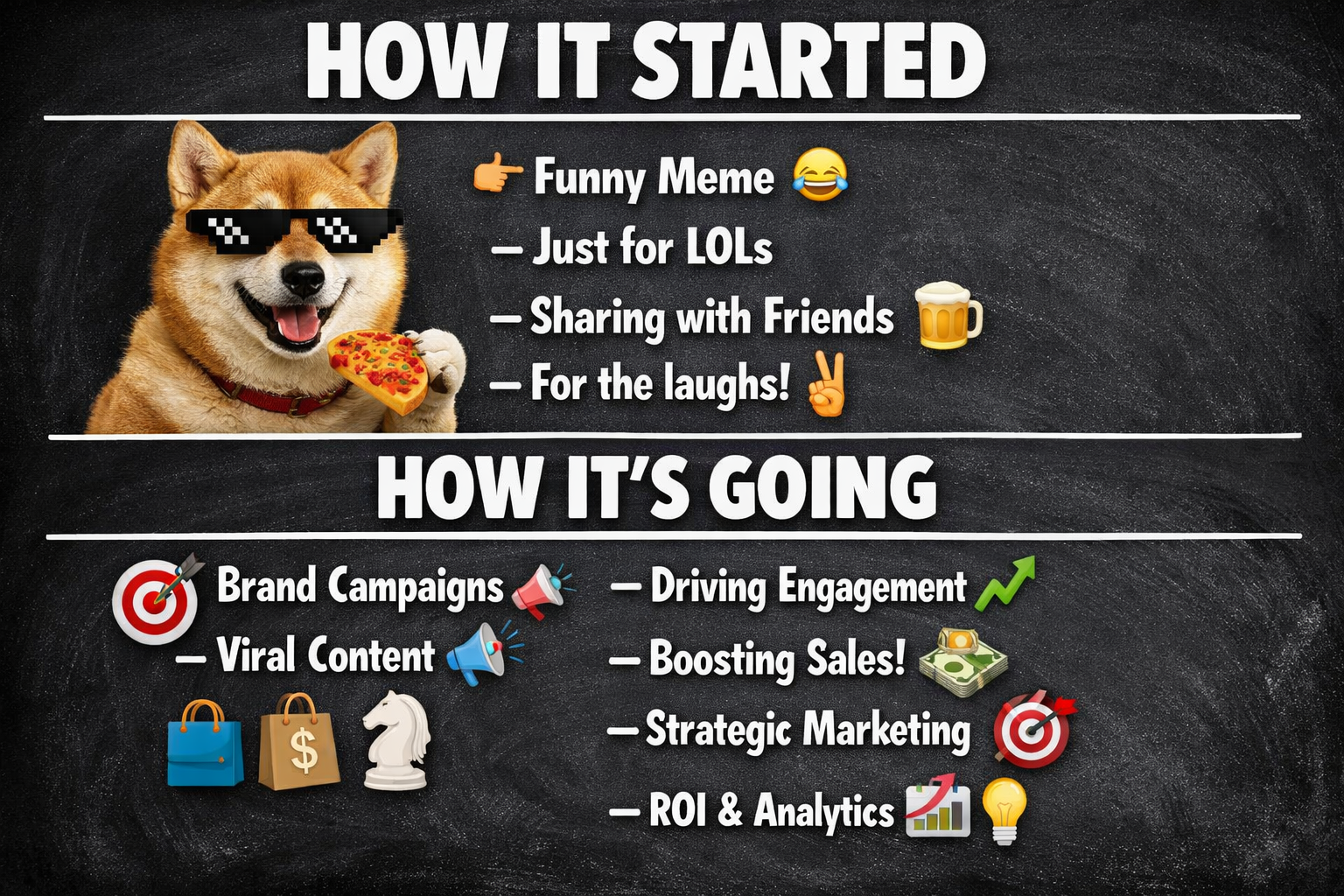
Memes have long been seen as something spontaneous, frivolous and short lived. In 2026, this picture is outdated. For many brands, memes have gone from being a “nice to have” tactic in social media to becoming a strategic tool in their campaign efforts — especially when the goal is to reach younger audiences and be culturally relevant.
It's not about being funny for fun. It's about understanding how culture moves, how content is consumed, and what expectations audiences have of brands today. Memes work because they mirror contemporary language, pace, and references -- and because they're perceived as participation, not marketing.
In the past, memes were often used reactively. Something trendy, and brands threw themselves on in hopes of a little extra range. Today we see that the most mature actors work differently.
Memes are now used early in campaign development to test ideas, validate tone and uncover whether the message actually hits the culture in which it should live. If a concept does not allow itself to be expressed easily, recognisably and shareably, it is often a sign that it lacks relevance.
This has made memes part of the creative brief -- not a post-launch add-on.
Memes are effective because they combine several qualities modern marketing often struggles to achieve at once:
To the public, memes rarely feel like advertising. They invite recognition rather than conviction, and work well in an era where many are actively filtering out traditional campaign messages. When something is shared further, it's because it feels right -- not because the sender is asking for attention.
A clear trend in 2026 is that memes are increasingly created together with the public. Co-creation has gone from buzzword to practice. Brands deliberately add up to open formats that can be remixed, further developed and interpreted by the users themselves.
This produces two important effects:
At the same time, memes act as a cultural stress test. For younger audiences, especially Gen Z, memes quickly reveal whether a brand actually understands the context in which it operates; wrong references, wrong timing or wrong tone become immediately visible. Precisely why memes have become so strategically important: they force brands to be honest about who they are, and how they are actually perceived.
In 2026, memes are rarely used in isolation. They work best as a link between larger campaign elements — creating quick attention, keeping the narrative alive over time, and amplifying messages in a way that feels natural in the channels in which they live.
At the same time, the risk is real. When memes are used without cultural understanding, they are quickly perceived as assumed. Authenticity cannot be simulated. It must be rooted in actual insight, clear identity and respect for the target audience.
Memes are therefore no longer primarily about humor. They're all about fluency. Brands that succeed are those that build meme thinking into campaign development, work closely with creative environments and audiences, and dare to let go of complete control.
Want to know more?
Read more about our marketing services here
.webp)